

Artisans Who Keep Your Design Classics Alive
Today we focus on craftsmanship and repair services that extend the life of designer pieces, celebrating the specialists who restore function, finish, and soul. From leather reconditioning to invisible mending, discover how skilled hands preserve integrity, value, and personal history. Share your restoration questions, subscribe for practical guidance, and join a community that believes longevity is luxury’s truest measure and the most sustainable choice you can make.
Why Restoration Matters More Than Replacement
The Hidden Value in Patina
Patina can be a love letter written by years of thoughtful use, and the right craftsperson knows how to honor it without erasing character. Picture a scuffed leather satchel returning to work with renewed structure, nourished color, and reinforced stitching. Its subtle creases remain, telling your story, while weak points quietly disappear. Instead of starting over, you simply continue better equipped, carrying memories alongside polished hardware and resilient edges.
Sustainability Beyond Recycling
Repair keeps cherished objects in circulation, reducing extraction, manufacturing emissions, and packaging miles. When a heel cap is replaced or a zipper is refit, invisible wins stack up: fewer resources consumed, less waste generated, more cultural appreciation preserved. Choosing certified restoration instead of purchasing new reframes luxury as stewardship. Share your eco-minded repair wins, from re-soled boots to re-lined totes, and inspire others to embrace longevity as an elegant, responsible lifestyle.
Emotional Longevity
The value of a designer piece often exceeds price tags and logos; it lives in the moment you bought it, the journey it witnessed, and the compliments it sparked. Restoration protects that emotional investment by safeguarding fit, feel, and personality. An artisan’s measured touch can return comfort, reclaim confidence, and amplify sentiment. Tell us about the item that feels like a companion, and we’ll help you plan care that respects both durability and heart.
Techniques That Respect Original Design
Great repair work blends humility with mastery, reinforcing weak points while preserving original lines, proportions, and finishes. Whether it’s saddle stitching that mirrors factory spacing or dye treatments that match nuanced hues, technique matters. Experienced ateliers document steps, test dyes on hidden areas, and source compatible threads, adhesives, and hardware. Ask to see sample swatches, stitching samples, and before‑and‑after photographs. Precision is not a flourish; it’s the quiet promise your piece will return authentically itself.
Finding and Vetting the Right Atelier
Choosing specialists matters as much as choosing the piece itself. Look for transparent diagnostics, written estimates, clear timelines, and photographs that demonstrate nuanced work. Certifications help, but consistent results and respectful communication matter more. Ask about failure rates, warranty terms, and sourcing ethics. A great atelier sets expectations, explains trade-offs, and invites your questions. If you feel rushed or dismissed, keep searching. Share your city, needs, and budget, and we’ll help shortlist dependable, values-aligned professionals.
Questions That Reveal Real Expertise
Good questions uncover process, not just promises. Ask how they stabilize weak seams before re-stitching, match discontinued hardware, or neutralize dye migration without haloing. Request examples of similar work, including pieces from the same brand or construction. Probe turnaround bottlenecks, warranty coverage, and communication cadence. A confident expert welcomes scrutiny, clarifies limitations, and suggests preventive steps. Share your priorities—originality, durability, conservation—and watch how their plan adapts thoughtfully to your goals and constraints.
Reading a Portfolio, Not Just Reviews
Reviews capture feelings; portfolios reveal hands. Study lighting, angles, and close-ups that highlight stitching alignment, edge paint consistency, and grain integrity. Look for challenging materials—exotics, suedes, coated canvases—and complex repairs like strap reattachment or lining replacement. Before-and-after sets should show realistic improvements without over-saturation or deceptive cropping. Ask about the toughest project and the biggest lesson learned. An honest portfolio teaches you what mastery looks like and what respectful restraint truly means.
Decoding Quotes, Warranties, and Timelines
Clear estimates break down labor, materials, contingencies, and optional upgrades. Warranties specify what’s covered, for how long, and under which conditions, reflecting confidence rather than marketing. Timelines should include waitlists, drying times, supplier lead times, and quality checks. If a quote feels oddly low, it may ignore hidden repairs or substitute inferior parts. Invite transparency: ask for line items, milestone photos, and approval checkpoints. These details protect your investment and build trust throughout the process.
Storage Rituals That Prevent Stress
Store leather away from direct heat and sunlight, using breathable dust bags and acid-free tissue to support shape. For coats, choose wide, curved hangers that mimic shoulder anatomy, avoiding wire marks and distorted drape. Keep humidity moderate, airflow gentle, and shelves clean. Rotate items seasonally to distribute wear. Label boxes to minimize rummaging. These quiet rituals protect structure and finish, helping your favorite pieces greet each outing with poise rather than fatigue or avoidable strain.
Cleaning Without Stripping Character
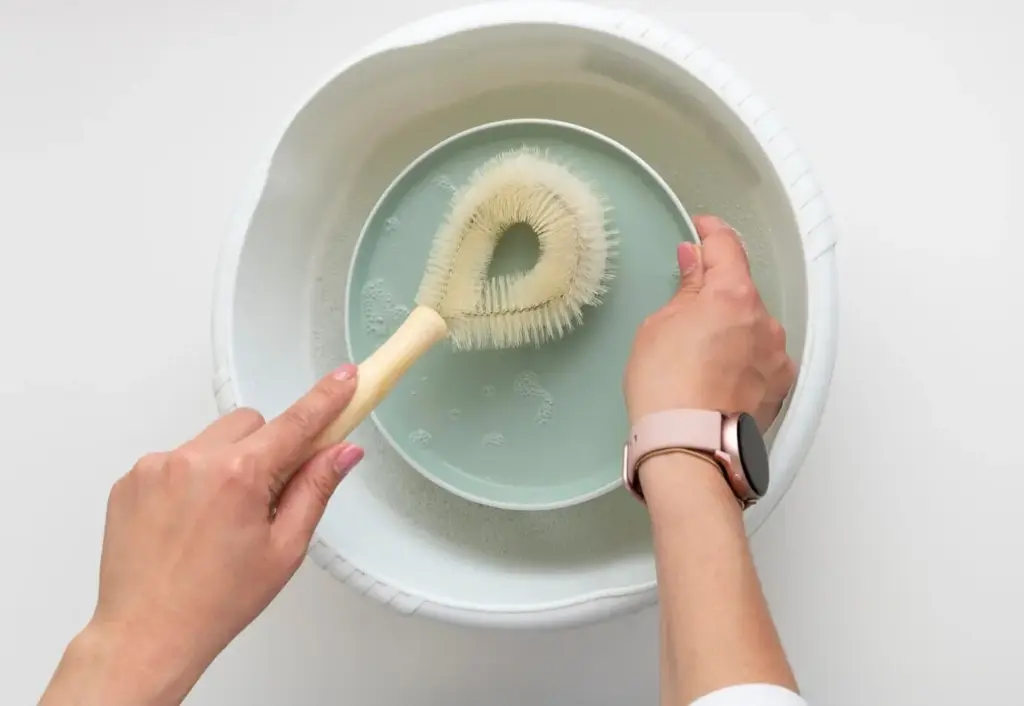
Harsh detergents, scrubbing, and over-wetting can thin finishes and distort fibers. Instead, test spots discreetly, blot rather than rub, and work with pH-appropriate solutions designed for specific materials. Use soft bristle brushes for suede, lint rollers for delicate knits, and barely damp cloths for coated canvases. Dry slowly, away from heat, with shaped supports. When in doubt, stop early and document the issue for a professional. Cleaning should protect nuance, not chase a sterile, lifeless perfection.
Value, Ethics, and Longevity Economics
Longevity isn’t merely sentimental; it’s financially and ethically sound. When a well-made piece serves for years with periodic maintenance, cost per wear falls dramatically. Meanwhile, repair supports skilled labor and discourages disposable habits. Ethical sourcing of replacement parts, honest provenance, and transparent documentation anchor trust. Consider insurance where appropriate and keep records organized. Tell us your repair budgets and expectations, and we’ll map a maintenance cadence that keeps value high and conscience clear.

True Cost of Ownership Over Time
Compare three paths: replace frequently, neglect until failure, or maintain steadily. The third typically wins by preserving utility, retaining resale value, and reducing waste. Track purchases, maintenance dates, and major interventions to reveal cost per wear. Transparent accounting empowers smarter decisions, like repairing a classic over chasing fleeting trends. Share your wardrobe goals, and we’ll help forecast likely service intervals, ensuring comfort, beauty, and fiscal sense align with everyday satisfaction and long-term pride.

Authentic Parts and Responsible Sourcing
Quality repairs depend on compatible materials, not merely convenient ones. Ask where zippers, snaps, threads, and leathers come from, and how their properties match the original design. Responsible ateliers disclose suppliers, test components, and avoid questionable sources. When official parts are unavailable, skillful custom fabrication can balance aesthetics and performance thoughtfully. Document any substitutions for future service reference. This diligence safeguards performance, ethics, and long-term credibility across every refreshed seam, clasp, lining, and carefully revived surface.

From the Bench: Wins, Near Misses, Lessons
Behind every restoration is a decision, a limitation, and a breakthrough. Some victories are subtle: a crease reduced, a lining quieted. Others are dramatic: a collapsed heel rebuilt, a buckle perfectly realigned. Artisans learn from each piece, refining methods and respect for materials. We share stories to demystify process and inspire care. Send your own before-and-after moments, and let our community celebrate the patience and creativity that return favorites to confident, everyday use.
All Rights Reserved.